Projects
Computer Engineering projects built throughout my degree at IADE — European University: from autonomous robotics and embedded systems to web, mobile and simulation software. Click a project to see the details.
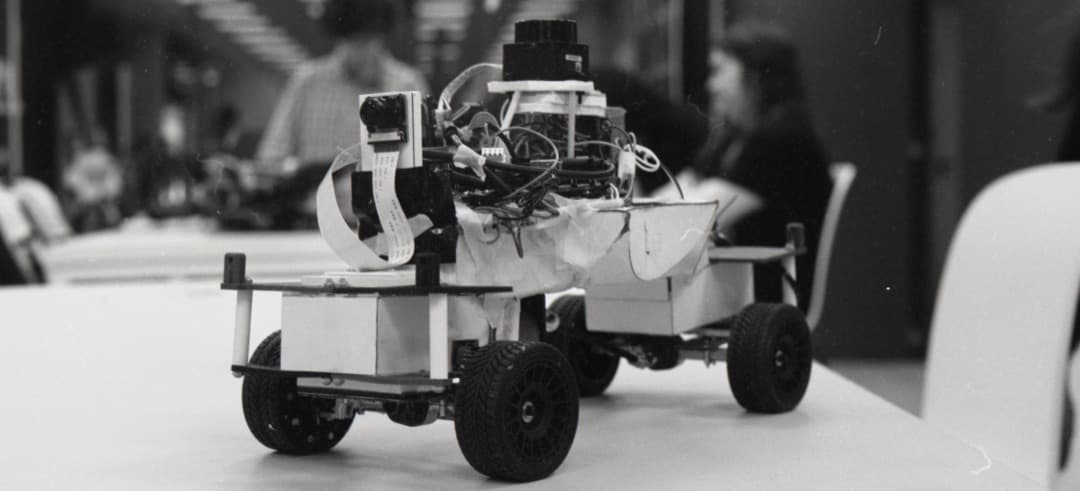
Speedy
Speedy is an autonomous racing vehicle developed to compete on tracks in a fast, safe, and fully autonomous manner. Built as the final project for the Bachelor's degree in Computer Science at IADE - European University, the system integrates computer vision, artificial intelligence, and sensors to identify the track, recognize obstacles, and adapt driving in real time. The entire architecture was consolidated on a Raspberry Pi 4, making the platform more efficient and reducing the latency between environment perception and vehicle actuation. Developed on ROS 2 Jazzy, Speedy represents the integration of software, electronics, and robotics into a complete solution for autonomous navigation, demonstrating the practical application of control algorithms, image processing, and decision-making in embedded systems.
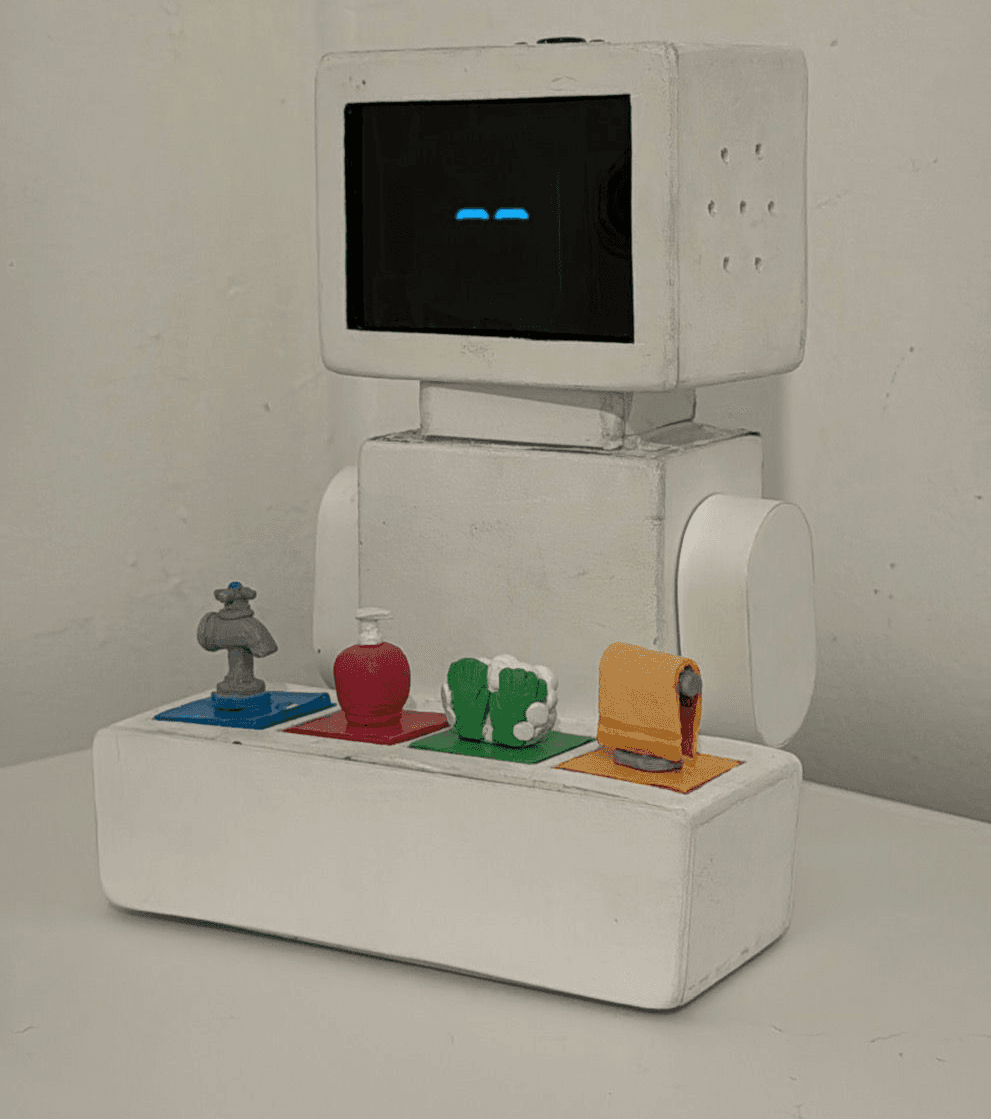
Wash Buddy
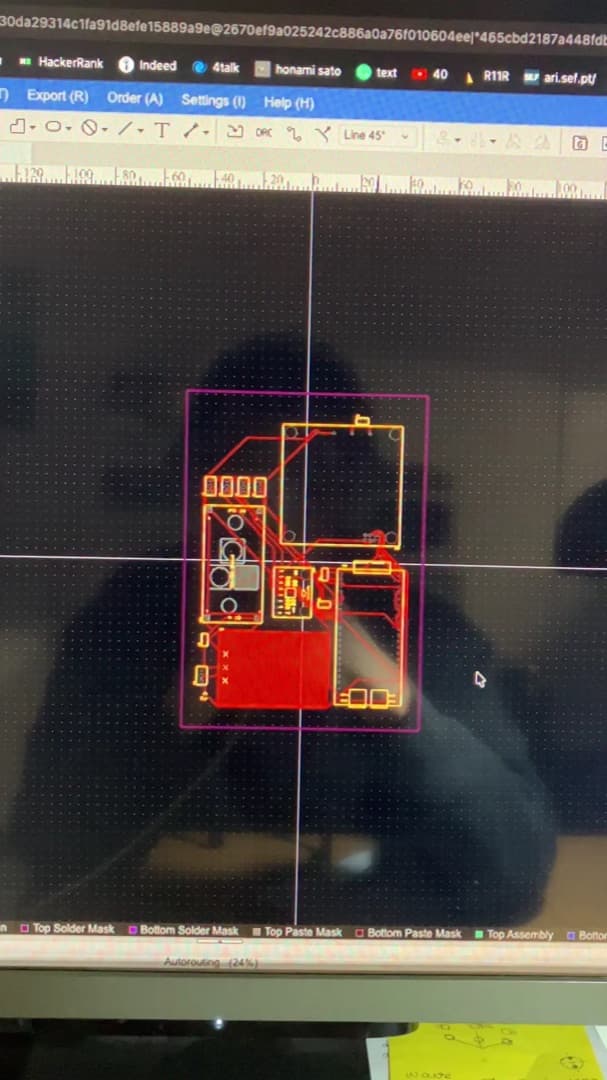
Wash Buddy is an autonomous interactive robot that guides children through a hand-washing routine: touching RFID-tagged toys (soap, sponge, towel) advances through a strict state machine — Idle → Wet → Soap → Scrub → Rinse → Dry → Success — with per-step timeouts tuned to real guidelines, including a 20-second scrubbing floor following WHO/CDC hand-washing recommendations. An ESP32-WROOM-32 runs a FreeRTOS dual-core split: one core renders a procedurally animated OLED face and particle effects at a fixed 60 FPS, while the other handles three servo-based gestures, RFID reads, and synchronized voice lines. A custom PCB separates the power and logic layers to keep motor noise away from the SPI/I2C buses, with MOSFET-gated auto-shutdown to eliminate standby consumption.
World of Toilets
World of Toilets is a mobile app that helps people locate, rate, and suggest public restrooms in Lisbon. Built in Kotlin with Jetpack Compose, it filters results by criteria like accessibility and baby-changing facilities, and calculates optimized walking routes with an A* search over a 199,000-node OpenStreetMap graph, averaging 1.75s per query across load tests with a 100% success rate. The backend runs two replicated NestJS API instances and two Next.js front-ends behind an NGINX load balancer, backed by a three-node MariaDB Galera cluster in synchronous multi-master replication, with JWT authentication, role-based access control, and bcrypt-hashed credentials.
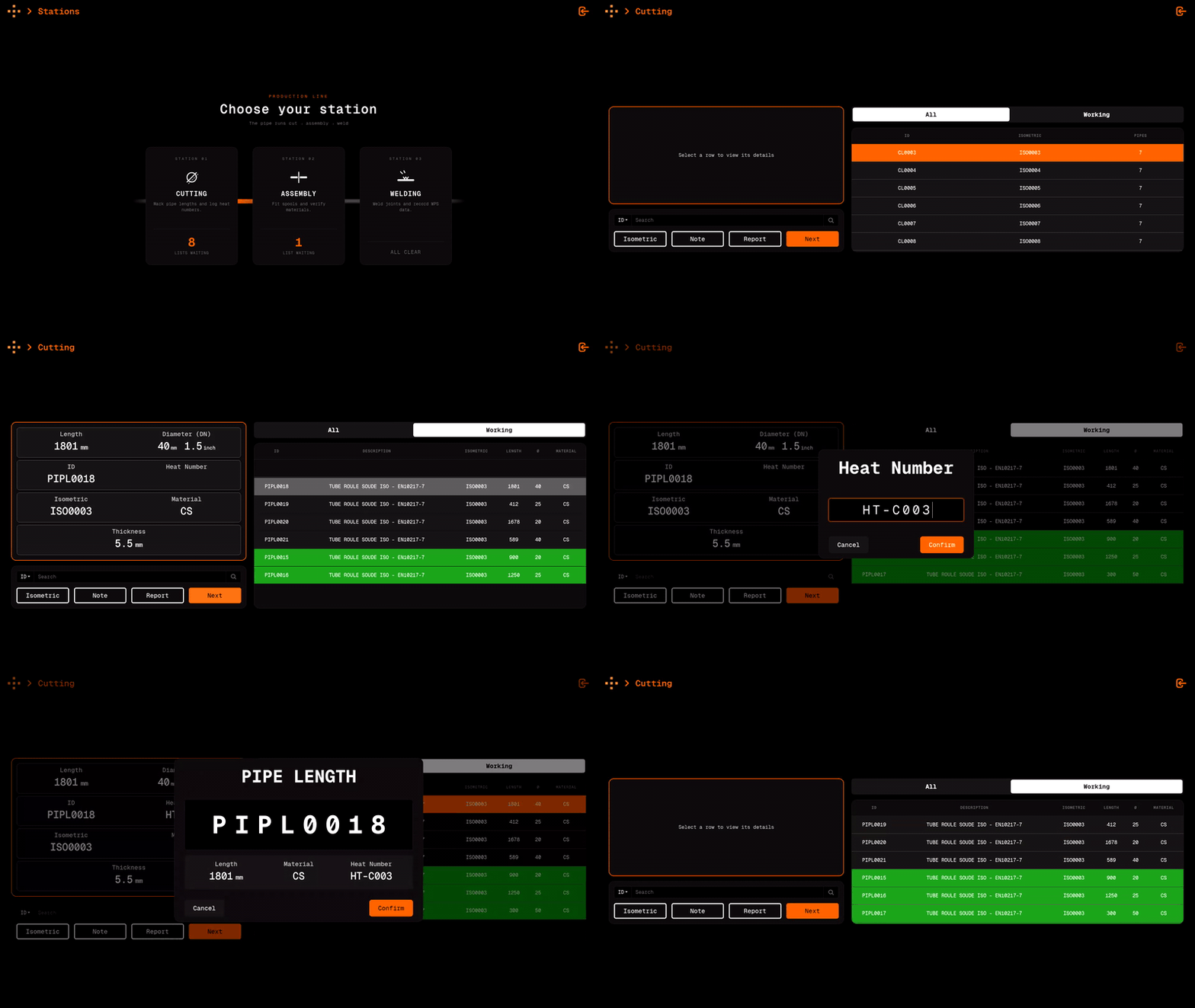
CAPO
CAPO (Computer Aided Process Overview) digitizes a metal pipeline factory's production floor, modeling work as a Project → Isometric → Spool → Joint → Piece hierarchy across three sequential stages: cutting, assembly, and welding. Built with NestJS 11 using CQRS and a rich domain model, every state transition is recorded as an immutable event, and stage hand-offs are derived — never stored — from the state of the pieces themselves, so the pipeline can never fall out of sync. Domain events propagate over Socket.IO, so completing a stage instantly opens the next one for its operator without a page reload. The front-end is Next.js 16 with React Server Components, running behind an NGINX reverse proxy as a Bun-workspace monorepo.
Angry Duck
Angry Duck is a network infrastructure design project for a fictional poultry company's six-floor headquarters and secondary building, built for a Networks and Data Communications course. The plan covers structured cabling, a dual backbone, per-floor Wi-Fi access points, and a centralized datacenter, alongside four modular IoT subsystems — hazardous gas detection, fire suppression, access security, and temperature control — deployed on every floor. The full topology (2 routers, 9 switches, 6 servers, 39 computers, and 44 IoT devices) was modeled and simulated in Cisco Packet Tracer.
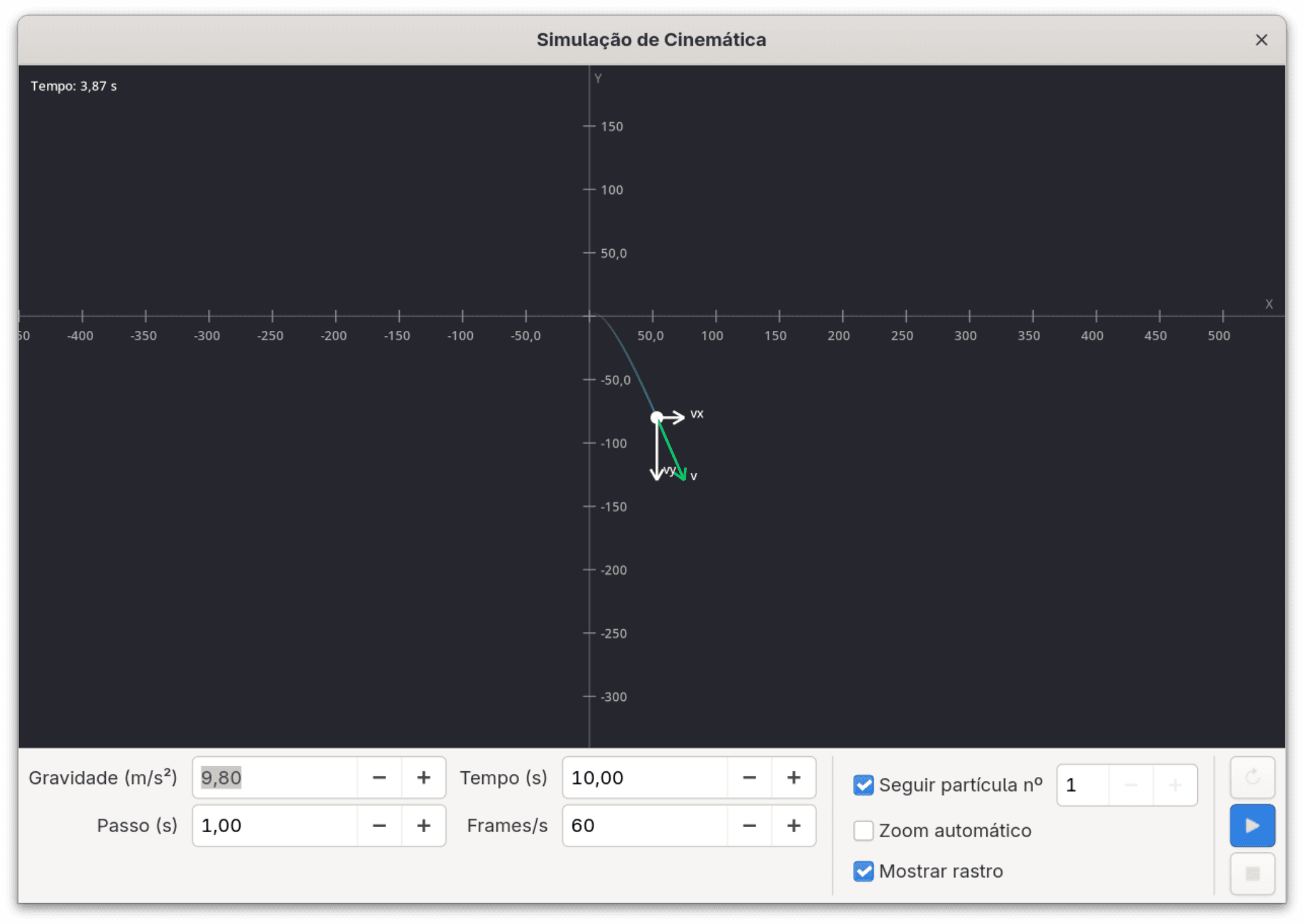
Physics Simulator
Physics Simulator is a GTK4 desktop application that models particle motion in two independent modes: kinematic, where particles follow constant-acceleration trajectories, and dynamic, where Newton's second law derives acceleration from configurable forces and gravity at each step. Built in C with Cairo for vector rendering, it supports auto-zoom and particle-follow camera modes, renders historical particle trails, and can save or load full simulation states as .sabino project files, with detailed per-particle CSV export for further analysis.
Luan Ribeiro
Curious by nature, I enjoy solving problems with data and code. Outside of work, I spend my time between analog photography and game development, always optimizing something. I have a strong passion for learning, writing, traveling, and riding motorcycles. I also work in management, art, and advertising, and I have a part-time job where I learn about fabrics, materials, and practice my English. I'm also into memorization techniques, electrical systems, and mechanics.
My current technical focus is on Data Science and Artificial Intelligence, developing efficient solutions with ecosystems like Python, SQL, Java, and C#.
Outside of the corporate environment and commercial software development, I split my free time between the quiet precision of 35mm analog photography, the creative process of indie game development, and running, always seeking to optimize and refine every detail.